Due to a recent change in our pharmacy software system, the process for submitting refill requests online has now changed.
Our previous mobile app and your current login credentials will no longer work.
Please click the Refill Online tab in My Pharmacy to begin the new process.
Thank you for your patience during this transition.
Get Healthy!
- Posted January 28, 2026
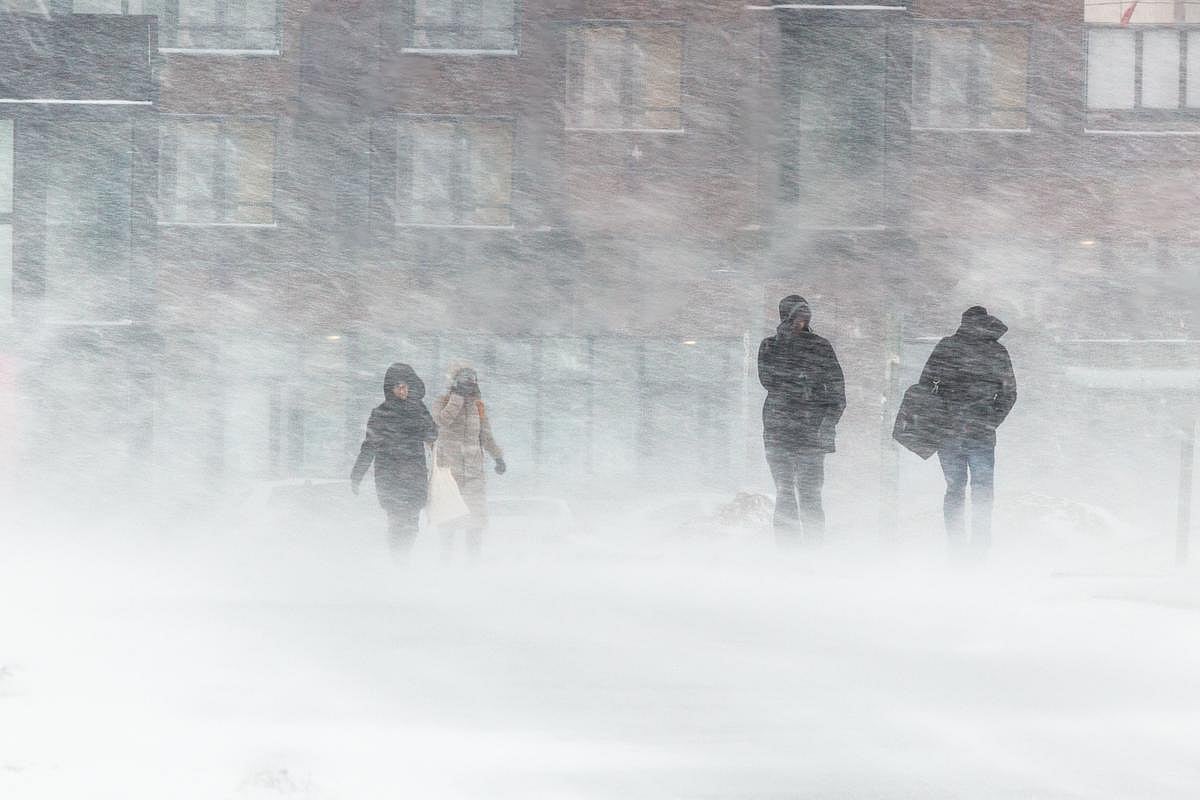
Slippery Streets After Winter Storms Raise Risk of Falls, Doctor Warns
After a winter storm, sidewalks, parking lots and stairways can quickly turn into slip hazards, even after plows and salt trucks have passed.
"An invisible patch of ice is an accident waiting to happen," Dr. Aleksey Dvorzhinskiy, an orthopedic trauma surgeon at the Hospital for Special Surgery in New York City and HSS Long Island in Uniondale, N.Y., said in a news release. "People often forget how dangerous a fall can be, especially when they’re in a hurry to get somewhere."
Hidden ice can linger in shaded areas, near curbs and between parked cars long after most snow has melted, Dvorzhinskiy pointed out.
These slicker spots can lead to serious injuries, especially for older adults.
To lower your risk, he recommends slowing down and wearing shoes or boots with good traction like ones with rubber or neoprene soles.
Smooth leather or plastic soles, and high heels, should be avoided.
If you must walk on icy ground, take short steps or shuffle to stay steady. Always look where you’re going and stick to cleared walkways. Avoid shortcuts over large piles of snow, and use handrails on stairs whenever you can.
Dvorzhinskiy also offers these tips:
Keep scarves tucked in and hats from blocking your vision.
Use a cane or walking stick if you need extra balance.
Be careful getting in and out of your car.
Don’t carry too many bags at once, which can throw off your balance.
Watch closely for “black ice,” which looks like wet pavement but is extremely slippery.
Remove snow and water from shoes when entering buildings.
Certain medications, including allergy or cold drugs and some painkillers, can cause dizziness or sleepiness, making falls more likely, Dvorzhinskiy added.
At home, he suggests removing tools and toys from walkways, adding handrails to outdoor steps and spreading sand, salt or cat litter to improve traction on icy surfaces.
Taking a few extra precautions can help prevent injuries that could send you to the emergency room, Dvorzhinskiy said.
More information
Premier Physical Therapy has advice on what to do if you've slipped on ice.
SOURCE: Hospital for Special Surgery, news release, Jan. 26, 2026
